
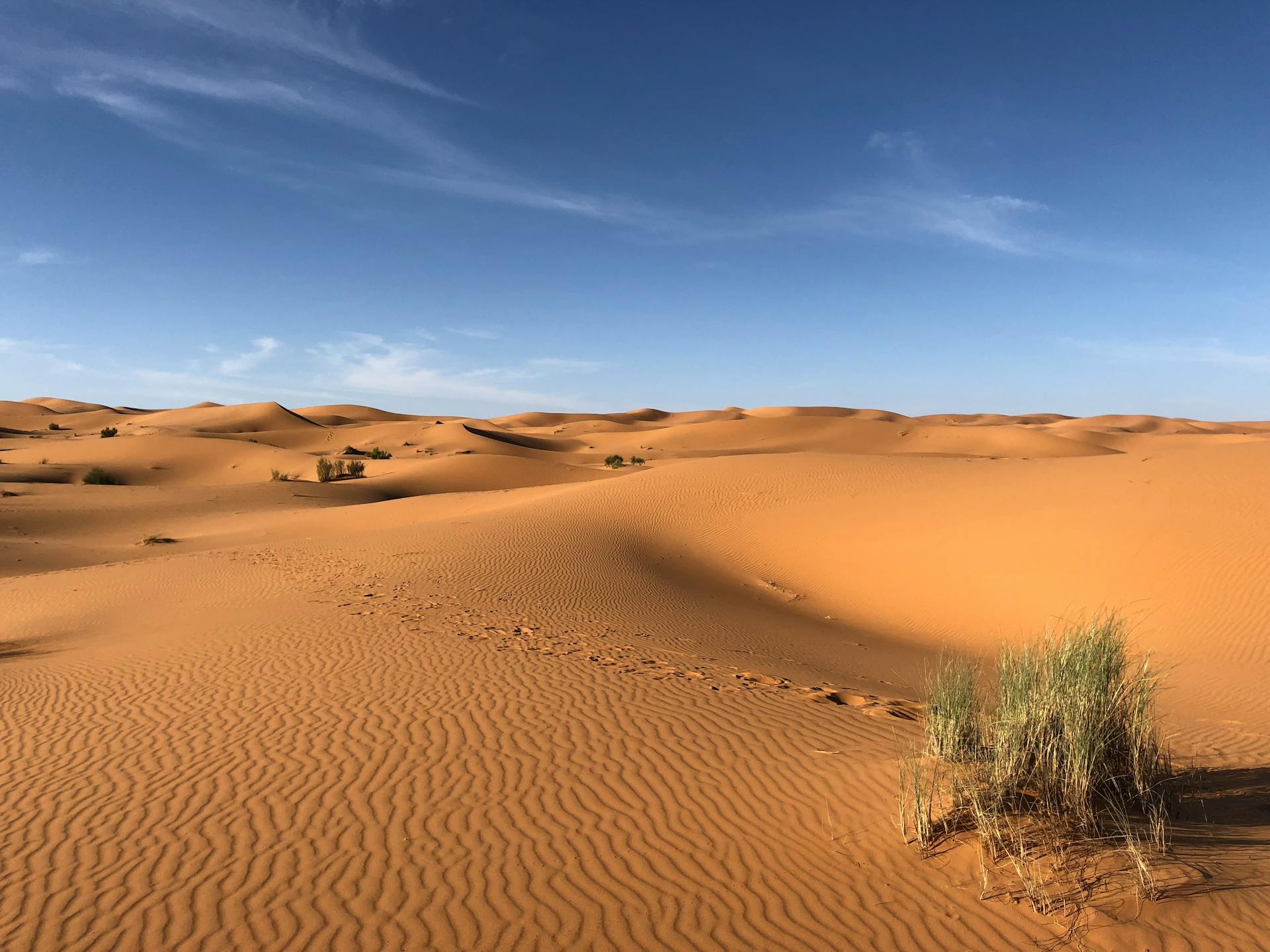
The mountain, desert, and coastline landscape photography requires a specific technique to be used in each area to reflect the distinctive nature of the surroundings. Mountains provide the dramatic scale and verticality, deserts provide the slight textures in the form of light play, and coastline combines dynamic water and rough geology. The control of gear, timing, and composition opens the door to portfolio-making images in each of the domains. Climate changes between these extremes challenge flexibility and those who are well-equipped are rewarded with elemental songs.
Mountains: Scale Through Layered Compositions

Take capture mountain when golden hour is on and ridges are shinning with dark blue shade. Wide-angle lenses (16-35mm) are open to expansiveness; introduce a powerful foreground such as wildflowers or boulders to provide a point of reference. Telephotos (70-200mm) squeeze inward bulging mountains, giving a grandeur. Sprout out of high ridges in clearing storms to crepuscular rays pricking valleys. Bracket exposures merge white snowcaps and dark foregrounds; graduated ND filters are used to tame dynamic range skies. But never in the middle of the day flat light; never in the middle of the day in the blue hour it offers velvet shadows and starlit silhouettes.
Deserts: Harness Light on Endless Textures
Photography in the desert is favored by the shadows of the golden hour forming undulating dunes and canyons through erosion. The polarizers reduce sand glare, and saturate ochre color and darken blue skies. Take shoot at right angles to the sun, to get the greatest amount of texture; f/11 apertures clear up infinite patterns. Telephotos are lone cacti or wind-twisted shapes; wide-angles are expansive playas of blazing clouds. Go out in advance to locate animal tracks or dead trees as a source of narrative foregrounds. Heat in the middle of the day gives mirages just to be used in surreal works; night skies require star trackers on smooth salt lakes.
Coastlines: Freeze Motion Against Eternity
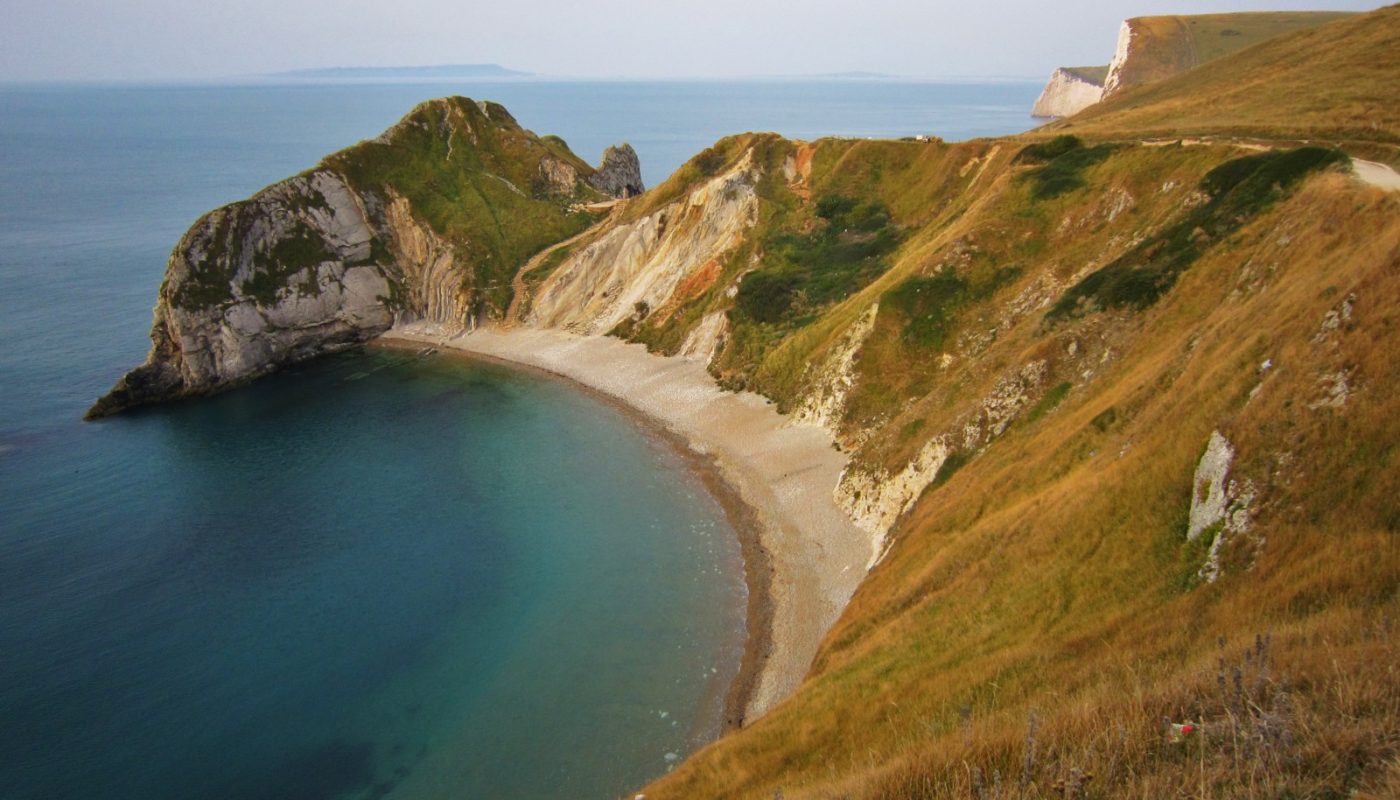
Exposures along the coastlines require a minimum of 1/500 second to stop crashing waves; ND filters (6-10 stops) turn waves into smog. At low tides, tide pools and foregrounds of seaweed leading to sea stacks are visible. Jump off cliff sides when swelling to gain compressed power; drones grab curvy headlands in the air. Water glare is subdued with polarizers which expose the submerged rocks. The palm-lined beaches have silhouettes of sunrise and the rocky outcrops have silhouettes of sunset. Stack emphasis on deep landscapes up to the horizon. The weather seals are resistant to salt spray.[|human|>Weather seals are resistant to salt spray. Weather seals: previous.
Gear Essentials Across Terrains
Full frame bodies are weather-proofed and resist dust, rain and spray. Carbon fiber tripods with twist lockings are used to deal with uneven lands; Arca-Swiss plates are used to make changes faster; 24-105mm traveling zooms are used to cover most of the compositions; carry light filters in pouches. Additional batteries are used to fight mountain drain cold; lens cloths are used to fight desert grit. During blue hour configurations, headlamps are used to light up gear. 40-degree temperature changes between valley and summit dropped clothing systems by packing.
Composition Principles Unify Environments
Every landscape is anchored on strong foregrounds: mountain streams, desert shrubs, coastal driftwood. Trail leading lines, dune crest leading lines or wave lines attract the eye toward the remote mountains or horizons. Rule of thirds has the sky drama horizons low, vast foregrounds high. Vertical formats focus on mountain ridges, dune forms, cliff edges. Panoramas are collage of epic views where a single frame limits size.
Timing and Weather Create Magic
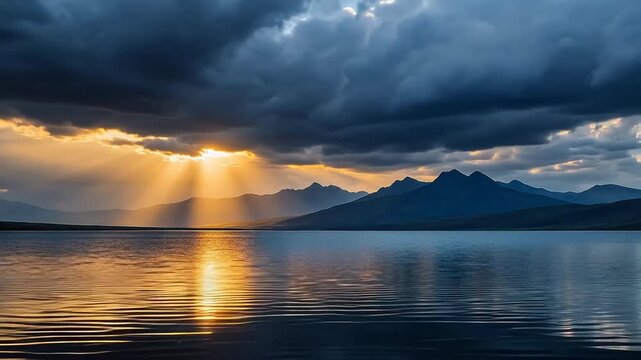
Storms empty of clouds send god rays through the mountain passes, rain covered deserts, hazy shores. Apps follow-ups; come early to position. Full moons light up figures; meteor falls pay off night watch. Changes of the seasons change scenes: autumn leaves in the mountains, spring in the deserts, swells in the coasts.
Post-Processing Terrain-Specific Edits
Multi-terrain shoots are effectively multi-terrain cataloged in Lightroom. Snow recovery, shadow lift is required of mountains. Deserts require texture enhancement to sand, saturation of the HSL to veins of minerals. Sea shore demands foam whitening of waves, sharpening of rocks. Dehaze sorts out mountain mist; selective sharpening cuts the ridges beyond. Determine even earth tones on a world palette.
Every landscape has its lessons: mountains need to be scaled, deserts need to wait until the light, coastline need to wait until the waves. Homogenized approach to the setting creates universal vision, transforming the various landscapes into unified collections that glorify the endless diversity of the earth.