
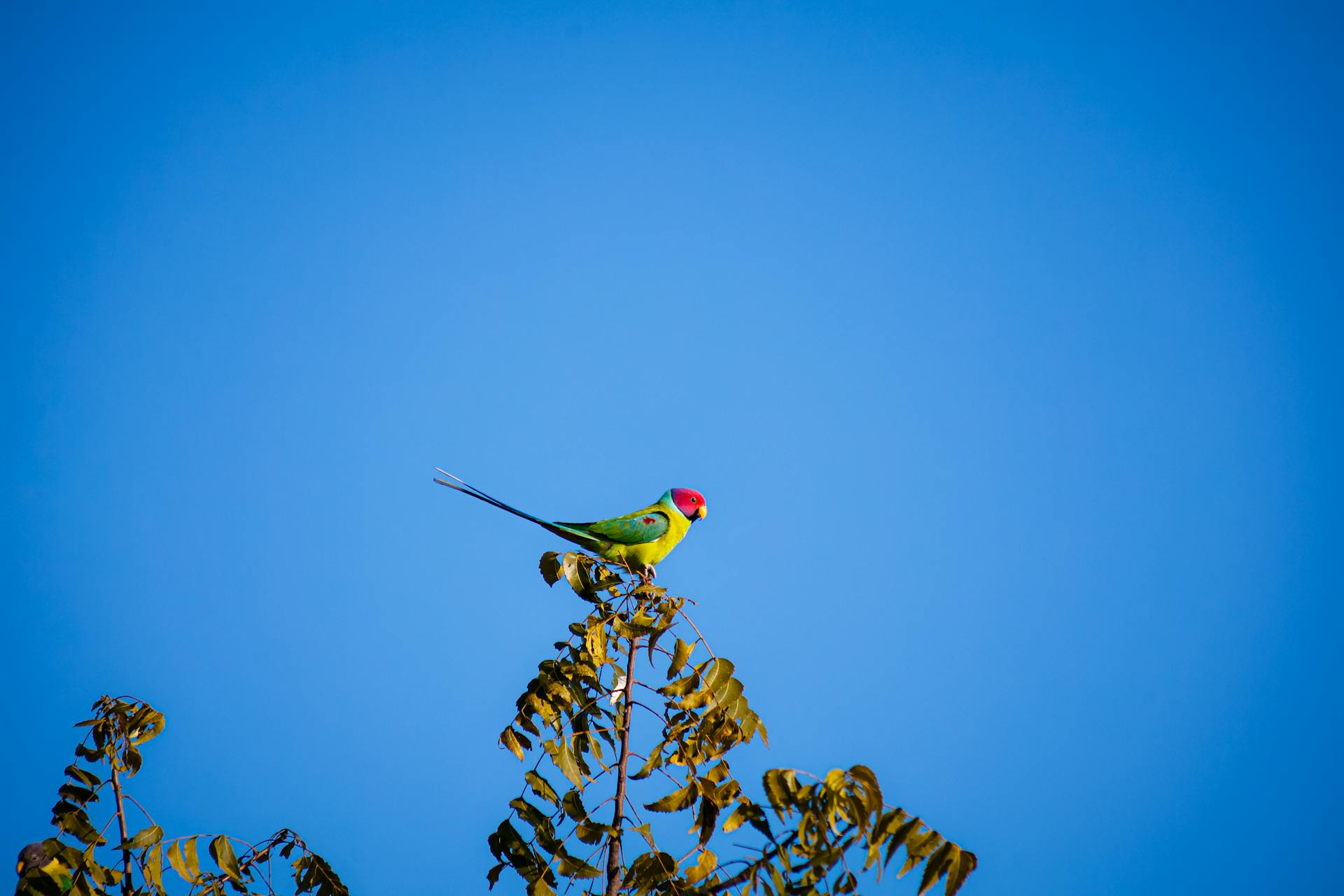
The beauty of the bird photography pays back in waiting hours of stunning details, such as shining feathers or piercing looks. It depends on the skill, mastery of equipment, and knowledge of birds. Natural shots do not have over-processed appearances because they emphasize on clean light, accurate focus, and minimal interference. Novices will find it hard to cope with motion blur or extreme contrasts, whereas established settings provide the professional results all the time.
Choose the Right Gear for Reach and Stability
The 400mm-600mm telephoto lenses fill the gap between the shy subjects and the photographer, and the depth and light are balanced at f/5.6-f/8. Image stabilization is used against the shaking of the hands when taking perched shots. The tiny pupils are immediately locked by the fast autofocus systems with animal eye detection. The long glass in blinds is held in place by monopods or bean bags, and the camera bodies have 20 megapixels or more that make barbules in the feathers crisp.
Master Shutter Speed to Freeze Action
Less than 1000th second stops wingbeats of little birds; less than 2000th second hits erratic flyers. Focal length to match speed: 600mm requires a minimum of 1/1600 second. Burst mode 10+ fps improves hits in takeoffs. Bright sun gives opportunity to use narrow apertures and cloudy light gives wide apertures and focus deeper into bodies.
Optimize Autofocus for Precision Tracking
Continuous AF mode zone or expanded point track heads follow through branches. Back-button focusing is a separable metering and capture option, which is held in focus when panning. Put active point on near eye when doing portraits, cluster modes with flocks. Turn off lens focus limiters on close perches, turn on on flights that are distant. Manually pre-focus flight path then change to servo mode.
Nail Exposure for Natural Tones
ETTL metering plumage with area of bird priority reads correctly. The whites are lifted by positive exposure compensation in cloudy weather; the specular highlights on waterfowl are flattened by negative. Shadow recovery noiselessly. Histograms eliminate dark underbelly or wings clipped. Golden hour is flatter of earthy tones, blue hour is the accents cooler by nature.
Perfect Technique Minimizes Vibration
Long lens discipline: the elbows are held close, the breath is suspended on the bursts. Lean into monopods; mirror lock up gets rid of slap. Shake is eliminated by remote triggers or two second timers. Gently turn with the incoming birds, have heads in position. Empty-air tracking should be practiced daily to develop muscle memory on the split-second opportunity.
Compose for Environmental Context
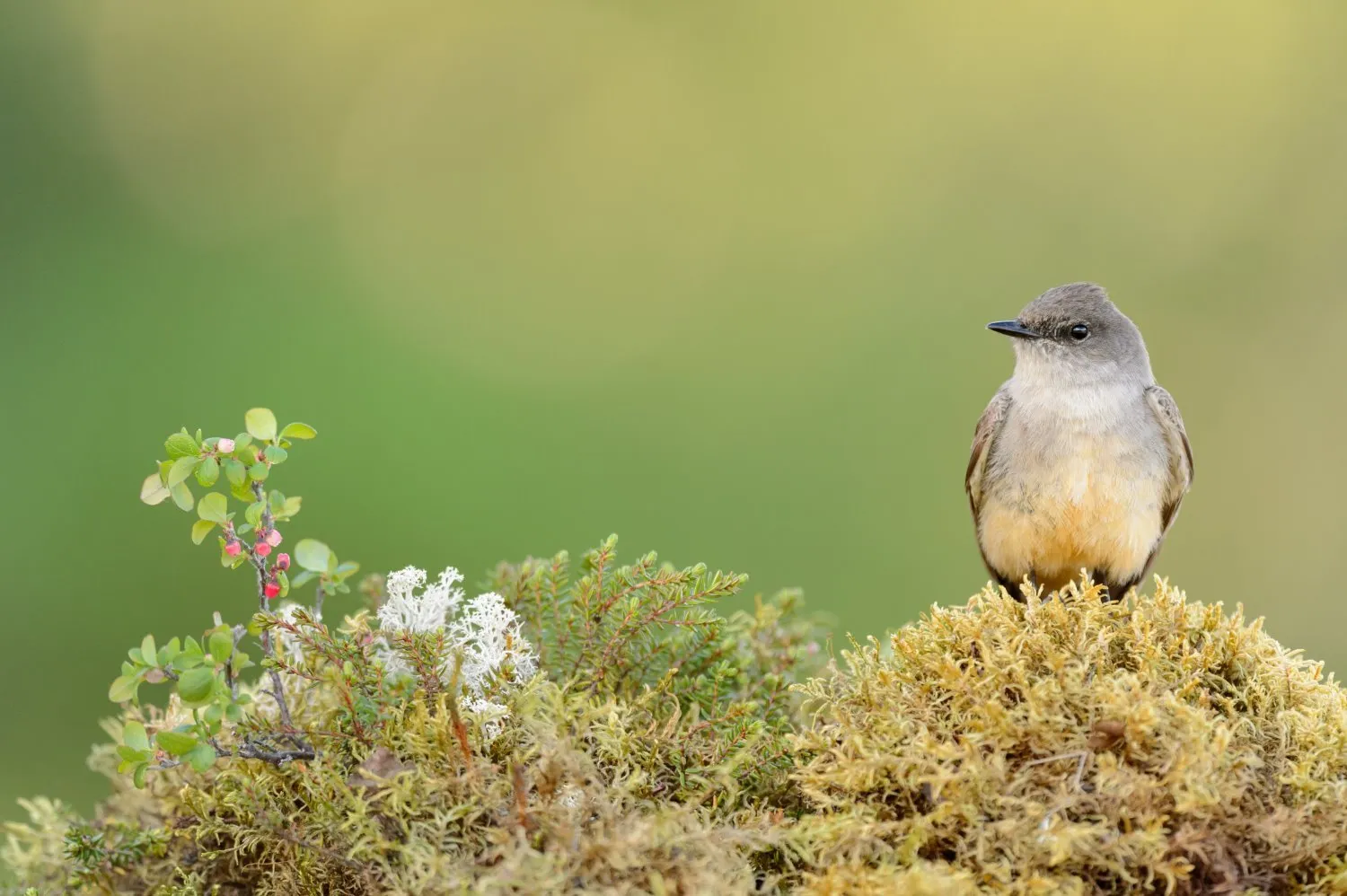
Isolate, or incorporate habitat, to tell stories. Position of eyes is off-center in rule of thirds; negative space creates a sense of movement. Perches are vertical, wingspans are horizontal. The foreground elements are not distracting because they add depth. Wait until head turns with an eye contact.
Post-Process Lightly for Clarity
Raw files are sharpened at 50-70 percent, covering edges, all over the world. Clarity increases midtones with no haloing. Selective dark feathers reduction of noise. Dodge catchlights; burn distractions. Calibrate lenses on a yearly basis to effect micro-adjustments. Export 100 percent view to check crispness at pixel level.
Fieldcraft outdoes pixels: research dawn choruses, pretend to be a predator. Waterproof clothing resists wet hides. After bursts, LCDs blasted 100 percent.
Bird shots are sharp and combined with technical accuracy and instinctive timing. Every frame captures brief beauty, and the portfolio holders are rewarded with hours of endless field.