
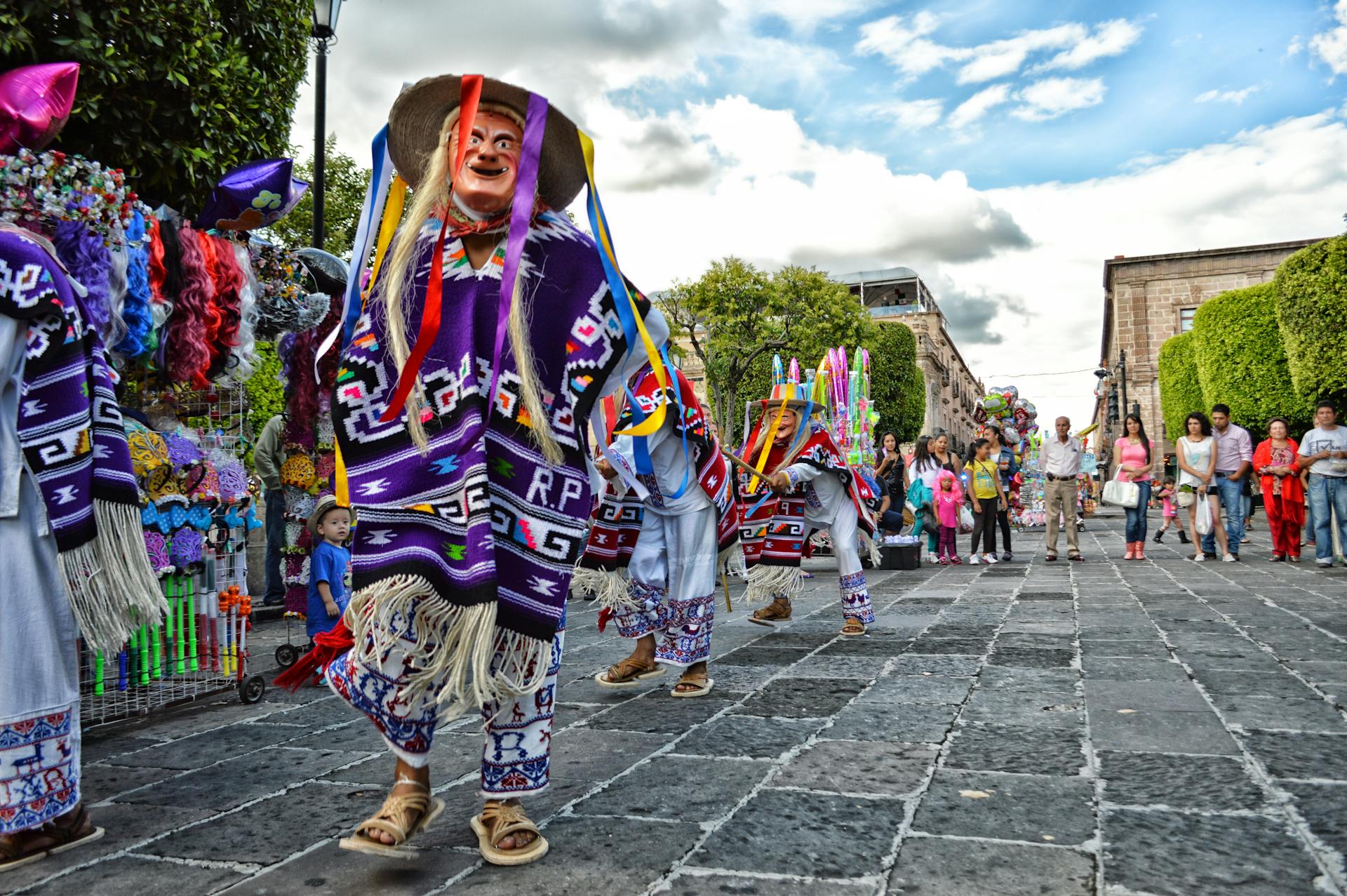
Photographs cross through language and geographical boundaries and create immediate emotional attachments between unknown people across the globe. One picture of a child laughing in the market mayhem or grasping hands in goodbye will be an emotion that every person will relate to, and every continent will feel the same. In the globalized age, images being shared in real-time through social media make intimate experiences a part of a worldwide discussion, erasing any cultural confusion with the help of mutual human experiences. Visual narrative is more effective than bare text in creating cross-cultural connections among different groups of people.
Emotional Universals in Everyday Frames
All cultures are full of happiness, sadness, affection, and strength, and the photos show them in their crude and unrefined form. The proud look of a father, who watches his daughter make the first steps, speaks the same in Tokyo alleys or Nairobi markets. Crying at family reunions, fists clenched in jubilation, tired postures after work, all this without translation. These gestures are universal enough to make an immediate recognition and viewers in different hemispheres are whispering I have felt that too. Travel portraits with lines on faces burned by sun and smile depict character regardless of ethnicity.
Cultural Exchange Through Visual Storytelling
Street photography captures festivals, rituals, and everyday survival equally with dignity in various regions. The Diwali lamps in the city houses are like the Hanukkah candles in the snowy windowsills both of them are celebrating the light over darkness. The procession of weddings and dancing relatives is similar to quinceañera celebrations in the other half of the world. Economic migration is humanized with photos of street food vendors who master family recipes, and they are proud of the craft they make which goes beyond the boundaries. Mutual pictures lead to exchange of recipes, pronunciation classes, traveling tips, making passive scrollers active cultural ambassadors.
Social Media as Global Visual Conversation
The threads on Instagram have linked Mongolian eagle hunters and Scottish bagpipers by sharing an appreciation of tradition. The flickr groups bring together architectural photographers in Istanbul minarets, Kyoto pagodas, discussing the golden hour techniques at different time zones. The smile on the faces of the refugees in viral portraits breaks the stereotypes, leading to donation campaigns and welcome committees. The photo challenges such as #HumansOf[City] give birth to imitators all over the world, with each community demonstrating its local personality and acknowledging the humanity. Comments areas turn to translation studios, where beautiful does not require a dictionary.
Documentary Power Fosters Understanding
Photojournalism disintegrates the space between crisis areas and comfortable living rooms. Photos of flood victims with meager rations trigger instant assistance by other parts that have not been affected. Photography of war where children play in the rubble is a reminder to policy-makers far away that there is a stake in it. Influential portraits of polluted rivers against clean ones provoke international cleaning associations. Generational migrations followed longitudinally through family lines establish empathy archives, which is resilience beyond displacement.
Technical Universals Enable Connection
Finding the principles of composition is cross-cultural: The rule of thirds balances the Japanese tea ceremonies and Moroccan souks. The rice terraces create leading lines that direct the eyes in the same way that the vineyards in Bordeaux. Golden hour is flattering to all skin tones, so it will not be necessary to guess lighting. Strips of color divide up blacks and whites, stressing the light, gesture, shadow between races. Big apertures isolate expression faces no matter the complexity of the background; f/8 focuses environmental portraits anywhere in the world.
Ethical Photography Builds Trust
The issue of consent in the world: eye-level framing demonstrates respect in Andes villages and Amazon tribes. Giving out contact sheets with the subjects foster cooperation, rather than exploitation. The accurate tagging of locations will guide tourism revenue to the photographed communities. The picturesque poverty avoidance presents success stories, contemporary ambitions and customs. Various representation in portfolios is evidence of real interest in the entire range of humanity.
The Ripple Effect of Shared Images
A single picture will result in the discussions that lead to pen-pal programs, cultural exchange scholarships, joint art projects. Portraits of refugees make hostels put up welcome signs; the smiling faces of street children make toy drives. Photo books are exchanged internationally and are used as friendship tokens. Visual literacy as a tool of diplomacy is reinforced by annual awards of the photo of the year celebrated all around the world.
Photos break down time zones and travel budgets, and send whole lifetimes into palms in a few seconds. Beyond pixels is unlimited connection potential: every shuttering sends the invisible handshakes through maps. Pictures demonstrate that what separates us on the surface cannot be sustained by the eyes of man. Shared frames are all reminding the people who breathe the same air of the same sky.