
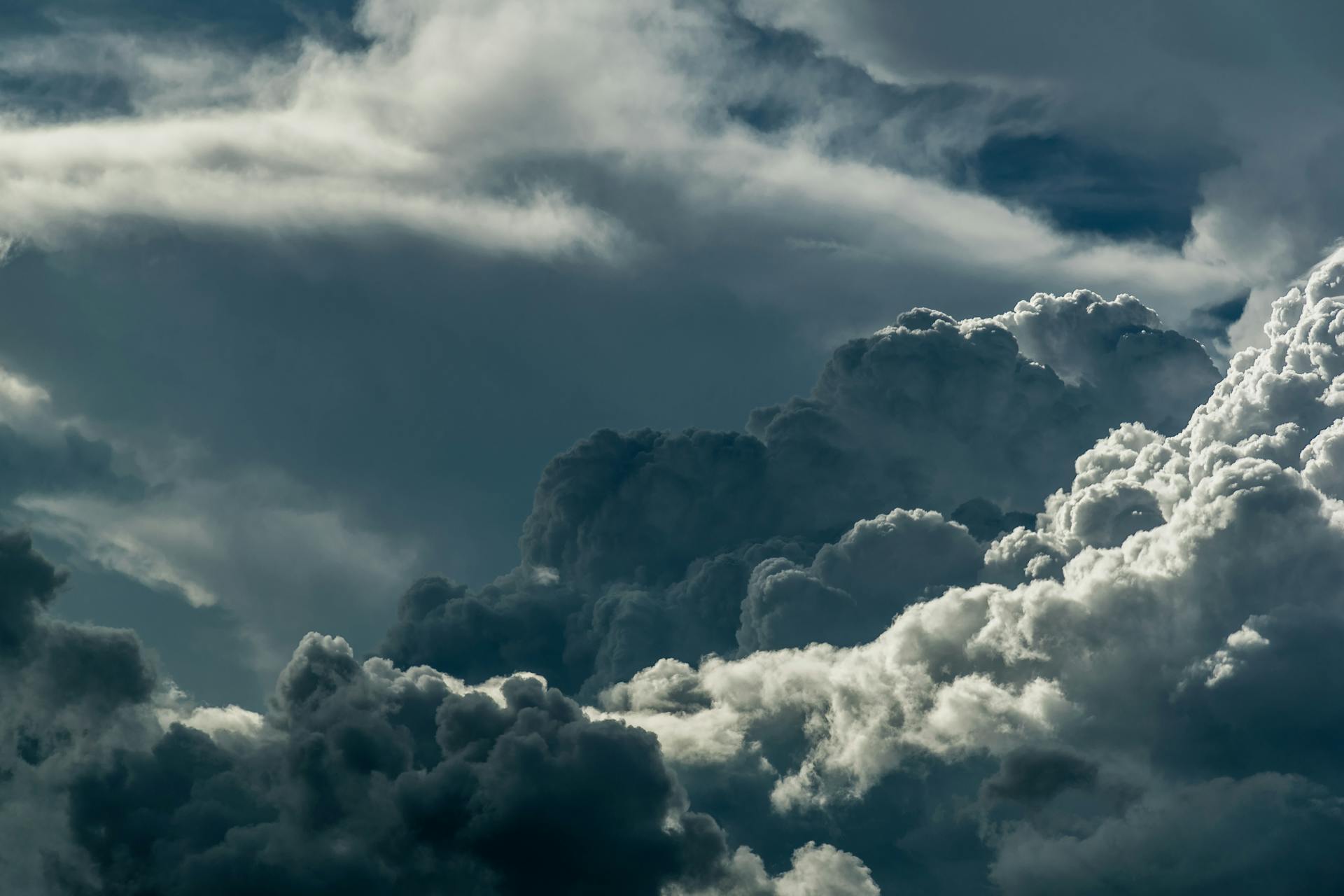
The ability to capture the beauty of nature in the dynamic weather conditions requires flexibility, technical prowess, and artistic impetus. Changeable weather conditions make the most interesting moments in photography, as witnessed by the golden sunrises shining through the clouds, to the dramatic storms sweeping across valleys. Unpredictability benefits the photographers that understand how to use changes in lights, weather, and equipment preparations. It is well-planned and adjusted on-site, which results in high-mood and texture images.
Plan Around Weather Forecasts and Patterns
Check radar applications and sunrise/sunset calculators days in advance to schedule shoot on golden hours or approaching fronts. Identify scout areas in favorable conditions, and ones that dynamic light will work to improve. Pack cover and rain covers, conditions change quickly in valleys or coasts. Get to the desired location early enough to capture shots before the brightest time; it gives one room to adjust when the weather may change with a cloud coming at an inconvenient time.
Master Light Transitions for Dynamic Range
The gentle light of golden hour indulges the scenery with warm colours and deep shadows. Gloomy clouds reflect sun rays making greens more intense and exposing the details of a rock or a tree. Combine exposures with bracketing, which captures an image of dark foregrounds and bright skies. Graduated ND filters harmonize stormy horizons, blowing out clouds are avoided and valley depth is preserved.
Embrace Storms and Wind for Drama
Low on position when there is a rain squall to anticipate the following crashing waves or bending grasses under the brooding skies. Rapid shutter rates freeze leaves blown by the wind or spray, and ND filters smooth flowing water. Heavy tripods have weights against the winds; cover the cameras in rain sweeves during intervals. Storm breaks are a favorite subject to give birth to rainbows or god rays, which are ideal subjects to wide-angle epics.
Compose with Foreground and Leading Lines
Attached chaotic weather with high foregrounds: twisted branches, tide pools or dew-kiss ferns, direct the gaze into the mountains of the background. Rule of thirds makes the horizons not central but focusing on sky drama or plains. Vertical formats are appropriate to towering cumulonimbus; panoramas are stitches of systems of great expanse. Added depth by layers, mist as natural atmosphere.
Adapt Camera Settings to Conditions
Long lenses (f/8 to f/11) are used to bring clarity to expansive scenes; narrow apertures (f/14 and f/16) are used to focus on finer details such as bark or petals. Increase ISO slightly in low light, with minimal noise. Histograms are used to control exposure: guard bright breaks, shadow in the gloom. Constant autofocus movements follow the escaping wildlife; the manual focus fixed on the hyperfocal distance.
Post-Processing Enhances Weather Mood
Raw files save the latitude to be used on selective dodging on clearing storms. Pop clouds to dodge foregrounds to burn. Clarity enhances the texture of wet leaves or wave foam without overcooking. Minor color shading is warming to early glow, and cools early foggy dawns. Local edits are enhanced by layer mask which maintains the natural transitions.
Of shots comes safety, flee lightning, distended banks, or crumbly precipices. On site review histograms of nail exposures prior to light decay.
The ever-shifting weather provides nature photographers with a bottomless number of options, a calm mist or a storm of fire. When fronts change, preparation is met with opportunity. Every frame does not only absorb a scenery, but momentary atmospheric symphonies.