
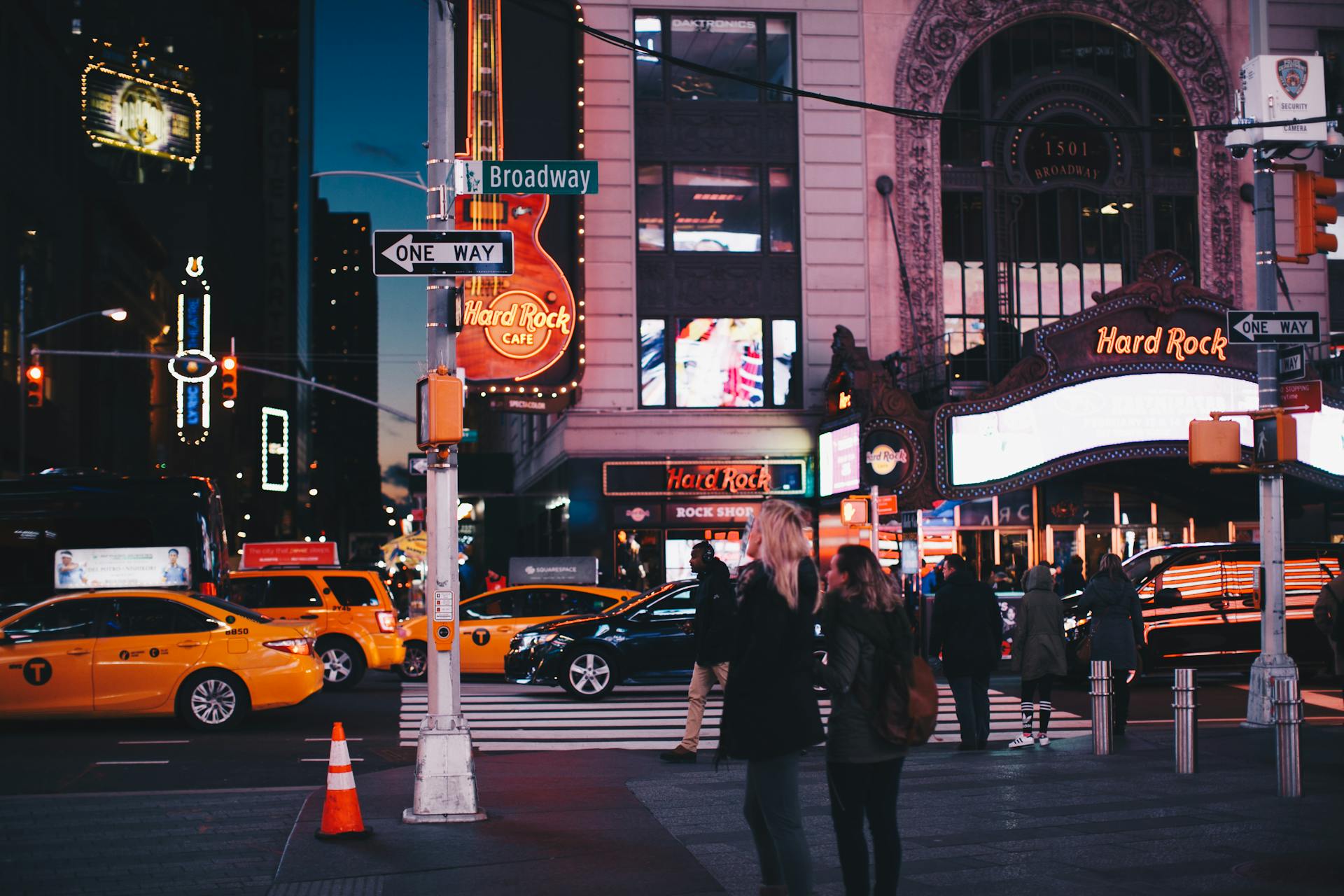
Photography is a visual archive of humanity, rituals, artifacts and everyday life, which would otherwise be lost to the oral tradition or collective memory. Cameras make preservation democratic, where one can record cultural heritage in real-time as opposed to paintings that need patronage or writings that need one to be literate. Through rituals of old traditions to the disappearance of artisans, photos capture instants between generations, and establish physical connections between the past and the present. Such images act as cultural time capsules, which can be used by future researchers, the generations and the inquisitive people of the world.
Documenting Vanishing Traditions and Rituals
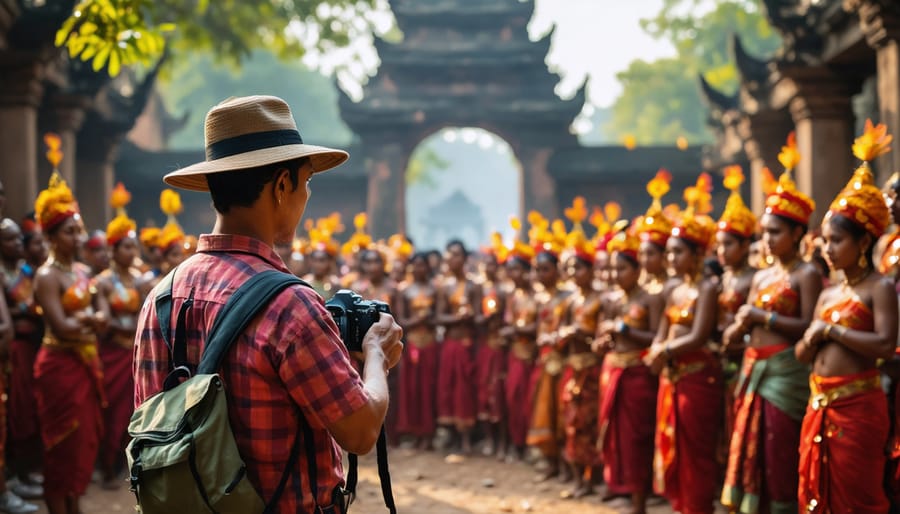
Native dances that were performed solely on the solstices, the master potters who carved final vessels out of unglazed clay, the elders who read the epic poems to empty halls, all this immortality is captured in the shutter clicks. Even the annual festivals with costumes that are centuries old are preserved in the middle of the performance, with costumed dancers frozen in the middle of their leaps with the expressions of spiritual trance on their faces. Family recipes are transformed into heirlooms as steaming food on battered wooden tables. New generations of people who study these pictures recover the methods of past, recreate the forgotten songs, reproduce the forgotten ceremonies with historical precision.
Preserving Architecture Before It Disappears
Urban redevelopment condemns fancy art deco theaters, deteriorating haciendas, wooden onion-domed churches to the wrecks of wrecking balls. Facades are recorded in greater detail, brick after brick, carved corbels recorded by scaffolding height, interior frescos by removing scaffolds before demolition, interior frescos. Street photographers document the character of the neighborhoods by capturing corner stores, barber poles, hand-painted signs that are slowly wearing out under the weather. Such archives lead to restoration work decades later, matching colors, studying proportions, offering material references when the craftspeople themselves have died.
Capturing Daily Life as Cultural DNA
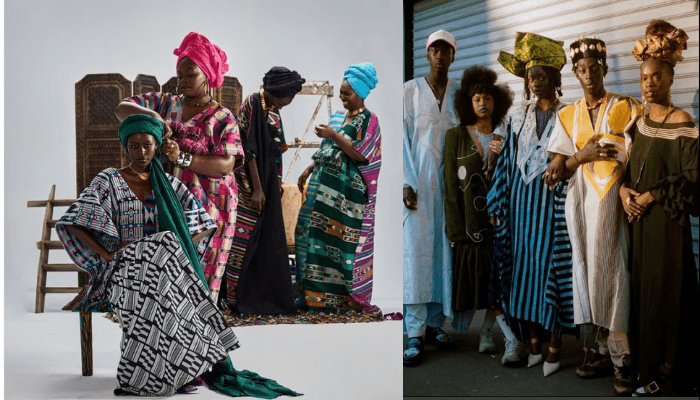
Cultural DNA is shown in ordinary situations: market women carrying pyramids of produce on their heads, fishermen recreating knots in their fishermen nets that are centuries old, children playing mancala in dust. The dress codes were encoded in fabric patterns, hierarchy of social classes represented in the position of market stalls, gender roles revealed in the division of labor of water carrier. Food photography conserves food traditions: pyramids of spices in the market, fermentation crocks in the ground, meat smoking on the open fire. These images recreate the lost economies, follow the migration patterns with shifting dress, map social evolution with shifting gender relationships.
Archiving Occupations and Skill Transmission
The disappearing crafts are seeking sanctuary in photography: blacksmiths working on glowing horseshoes, coopers working barrel staves on steam, tanners on the hides on frames. The tool sets are recorded handle-by-handle, scarred work benches a history of production. Observing masters results in visual apprenticeships of future generations who have no living masters. The factory laborers who use huge looms, fishermen who pull nets with their hands, all of them maintain pre-mechanization work patterns with body language, equipment handling, cordializing.
Family and Community Histories Immortalized
Amateur snapshots preserve what professional photographers ignore: the kitchen corner of great-grandmother, with its cracked dishes, family shrines, with their old-faded saints, treehouses made of scraps by children. Tables at holidays straining with feasts, wedding dresses crafted by hand, baptismal fonts with family liaisons. These grassroots collections are more comprehensive than institutional collections, preserving lived religion, household architecture, practices of child-rearing considered by professionals in the field unworthy of preservation. Polaroids that have faded use shifting backgrounds to show migration narratives, economic developments in terms of acquisition of goods.
Technical Strategies for Cultural Preservation
Medium format backs with high resolution record artifacts on museum standards. 50mp full-frame bodies record weave patterns that cannot be seen with the naked eye. Embroidery stitches, tool engravings, pottery wheel marks are documented with the use of macro lenses. Underglaze decoration, wood grain figuring, metal patina, etc., are displayed by controlled studio lighting. Time-lapse sequences retain performance traditions of entire ritual cycles. Drone panoramas are used to map the whole village plan and then communities are scattered with resettlement.
Digital Archives Ensure Global Access
Cultural treasures are searchable in cloud repositories according to motif, geography, era. The facial recognition of AI rebuilds family trees using portraits of unknown people. Geotagging provides a trace of movements of artifacts over centuries. The virtual reality re-creates destroyed religious areas based on 360 panoramas. Open-access sites make the field of study democratic and enable descendants across the world to own heritage by matching visuals.
Ethical Stewardship of Cultural Images
Consent honors the bearers of living traditions; revenue sharing helps communities. Proper captioning helps avoid misattribution; cultural consultants ensure context of the rituals. Digital watermarks discourage commercialization, metadata maintains oral histories behind pictures. By repatriating digital masters, repatriation debates bring digital masters back home to communities of origin and maintain access to the rest of the world.
Photography makes evanescent culture permanent. The clicks of the camera keep dialects alive by sample handwriting, religions by sample alters, economies by sample market plans. These pictures never perish with the paper, stone inscriptions, oral heroes and they become the greatest memory palace of humankind where anyone can recover the lost blood through visual identification.