
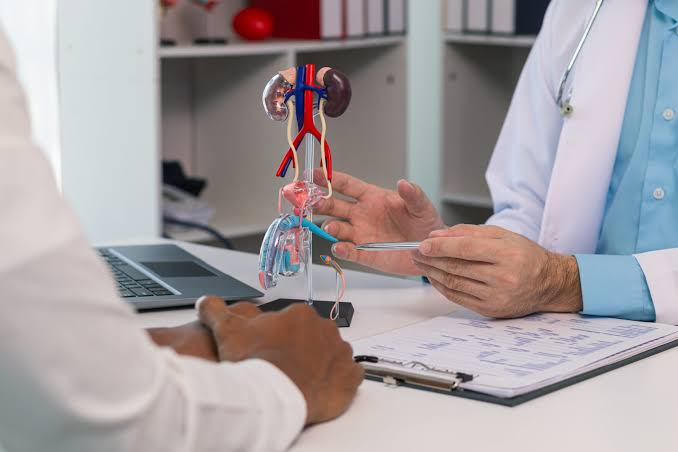
Current surgical treatment is advancing at an astounding rate with the introduction of sophisticated robotic systems, high-resolution imaging and minimally invasive techniques into the operating room. Though these technological advances provide precise results and quicker recovery, it’s more than high-tech gear that makes a successful healthcare. The challenge for the surgeon is to ensure that each patient receives the safe, patient-focused, personalized medical care that the surgeon provides while keeping abreast of cutting-edge innovation.
Evaluating New Technology Through Patient Benefits
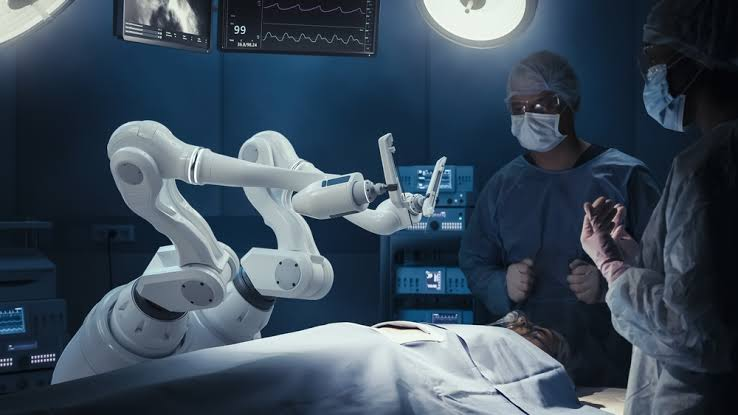
The introduction of new surgical technology should always be based on the patient benefits and not based on the novelty. State-of-the-art devices such as robotic platforms and cutting-edge endoscopic equipment can reduce physical trauma, decrease post-surgery discomfort, and reduce hospital recovery time. An experienced specialist like Dr. Omar Marar evaluates these innovative systems through a practical lens, ensuring that high-tech interventions directly improve clinical outcomes. When medical teams prioritize proven patient safety over simply using the newest equipment, they build a solid foundation of trust. Such consideration ensures that technology is offering a useful support to the healing process, not an overly complicated one.
Simplifying Complex Options for Informed Consent
Introducing advanced medical technology into treatment discussions can easily confuse patients facing serious health challenges. For those looking for clear answers, medical jargon used with robotic systems or laparascopes can arouse anxiety. For patient-centred care, surgeons need to make complex technical details comprehensible in a simple manner. Describe the mechanism of that particular tool, how it works, why it is appropriate for that patient and what are the possible risks. By communicating clearly, patients feel respected, comfortable, and involved in their care and understand the options for modern surgery.
Personalizing Surgical Care for Unique Patient Needs
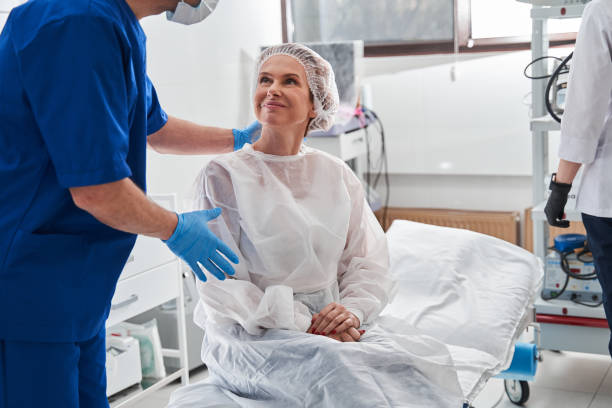
Each patient has his or her own medical history, anatomical factors, and recovery objectives. No single surgical technique is suitable for all patients, so the doctor must choose a technique specific to each patient’s needs. Although there are many benefits to the minimally invasive or robotic procedures, some conditions may still necessitate a traditional, open procedure or specialized endoscopic therapy. Innovation and personal care are about working out a balance that is suitable for the individual, rather than a formula. Customizing care plans ensures optimal physical recovery while honoring the unique preferences and safety requirements of each patient.
Maintaining Human Connection and Bedside Compassion
Even the best of operating rooms can’t replace the comfort of a caring doctor. While technical skill is important in the operating room, the ability to work with others and communicate with patients is also crucial before and after surgery. It is important to listen to what patients are concerned about, to put their fears about recovery to rest and to provide reassuring advice that creates important doctor-patient relationships. High tech skills and human touch go hand in hand when surgeons treat patients as human beings instead of just numbers. This personal style of service will ensure that technology improves, but will not supplant, human compassion.
Conclusion
Balancing surgical innovation with patient-centered care is the key to modern medical excellence. Surgeons can provide the best healthcare by assessing new technologies for safety, making clear communications, adapting treatment plans and emphasizing empathy. Advanced tools improve procedural accuracy, but personal trust and compassionate attention remain the true foundation of healing. The result of combining technological advancements with personalized care is better patient results.